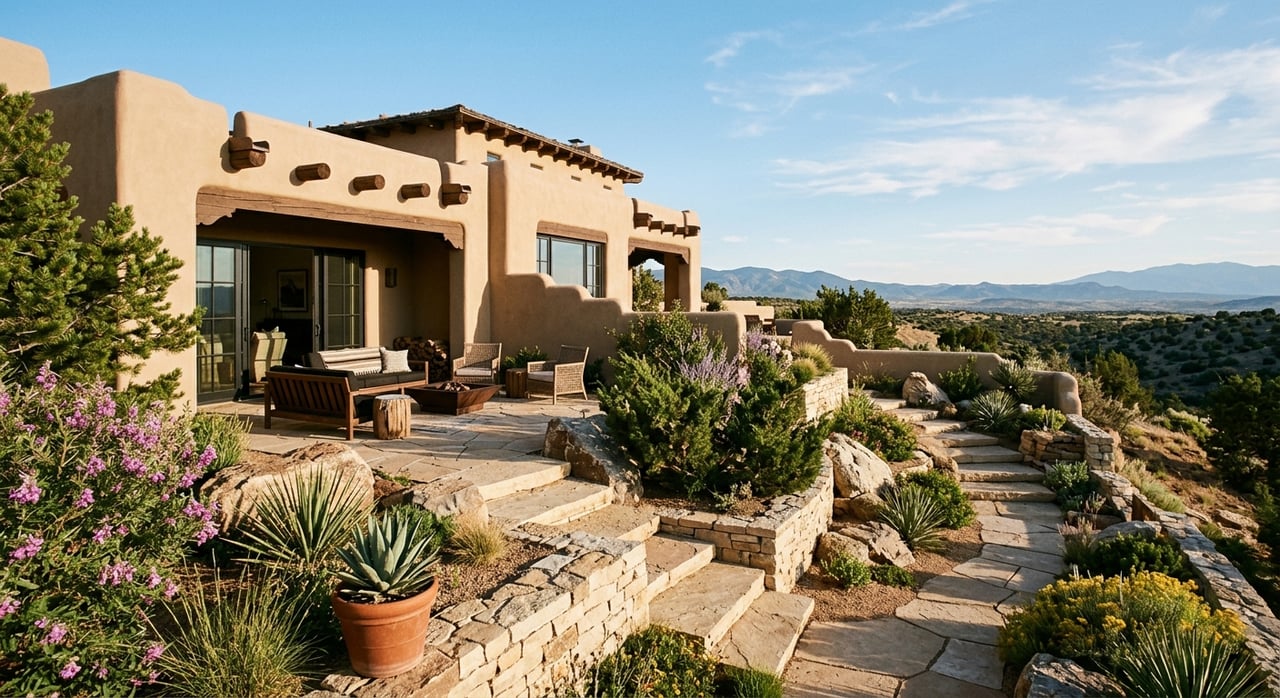
If you want mountain views, more breathing room, and a neighborhood with a strong sense of identity, Sandia Heights is hard to ignore. For many buyers, the appeal starts with the setting, but the real story is how the community was planned, how it operates, and what daily life actually feels like. If you are wondering what makes Sandia Heights unique for homebuyers, this guide will help you understand the features, tradeoffs, and practical details that matter most. Let’s dive in.
Sandia Heights Has a Distinct Identity
Sandia Heights is not just another Albuquerque-area neighborhood with foothill views. According to the 2024 Sandia Heights HOA resident guide, it was established beginning in 1965 with the Sandia Peak Tram Company and planned as a community with large individual lots and deeded covenants in place before sales began.
That original plan still shapes the area today. The same guide describes Sandia Heights as a unique community with more than 2,200 homes, about 5,200 residents, and 38 units, which helps explain why it feels both established and intentionally organized.
Sandia Heights Is in Bernalillo County
One detail that surprises many buyers is that Sandia Heights uses Albuquerque mailing addresses but is not within the City of Albuquerque. The HOA states that the area is in unincorporated Bernalillo County and falls under Bernalillo County fire and sheriff jurisdiction.
That matters because it affects how services are handled and how the neighborhood functions day to day. If you are comparing Sandia Heights to homes inside city limits, this difference is worth understanding early in your search.
Mountain Views Are Part of Daily Life
One of the biggest reasons buyers look at Sandia Heights is simple: the setting is exceptional. The neighborhood sits along the foothills, and the community rules are designed to help preserve open space, native landscape patterns, and view corridors.
The HOA guide notes that building height and vegetation are limited in ways meant to protect views. Landscaping is also expected to minimize disturbance and restore native vegetation, which helps the area keep its desert foothills character over time.
For a buyer, this means the scenery is not just a bonus. It is part of the neighborhood’s long-term design approach.
Outdoor Access Is a Major Lifestyle Feature
Sandia Heights stands out for how close it is to outdoor recreation. The City of Albuquerque says the nearby Sandia Foothills Open Space covers about 2,650 acres, with elevations ranging from 5,720 to 6,800 feet.
Those open space areas connect to trailheads used for hiking, horseback riding, mountain biking, and access toward the Sandia Mountain Wilderness. The U.S. Forest Service also confirms wilderness access from nearby trailheads, which reinforces just how connected this area is to the outdoors.
This does not mean you can cross private property to reach the trails. The HOA makes it clear that access to parks and forest land is through public trailheads only, not through private lots. For many buyers, that structure is actually part of the appeal because it supports a more orderly and low-disruption environment.
The Tramway Adds to the Area’s Character
Another feature that gives Sandia Heights its own identity is the Sandia Peak Tramway. According to Sandia Peak Tramway, it stretches 2.7 miles and operates under permit with the Cibola National Forest.
For buyers, the tram is more than a visitor attraction. It is part of the area’s visual and lifestyle identity, and it helps connect the neighborhood to the mountain setting in a very visible way.
Homes Here Tend to Follow a Cohesive Look
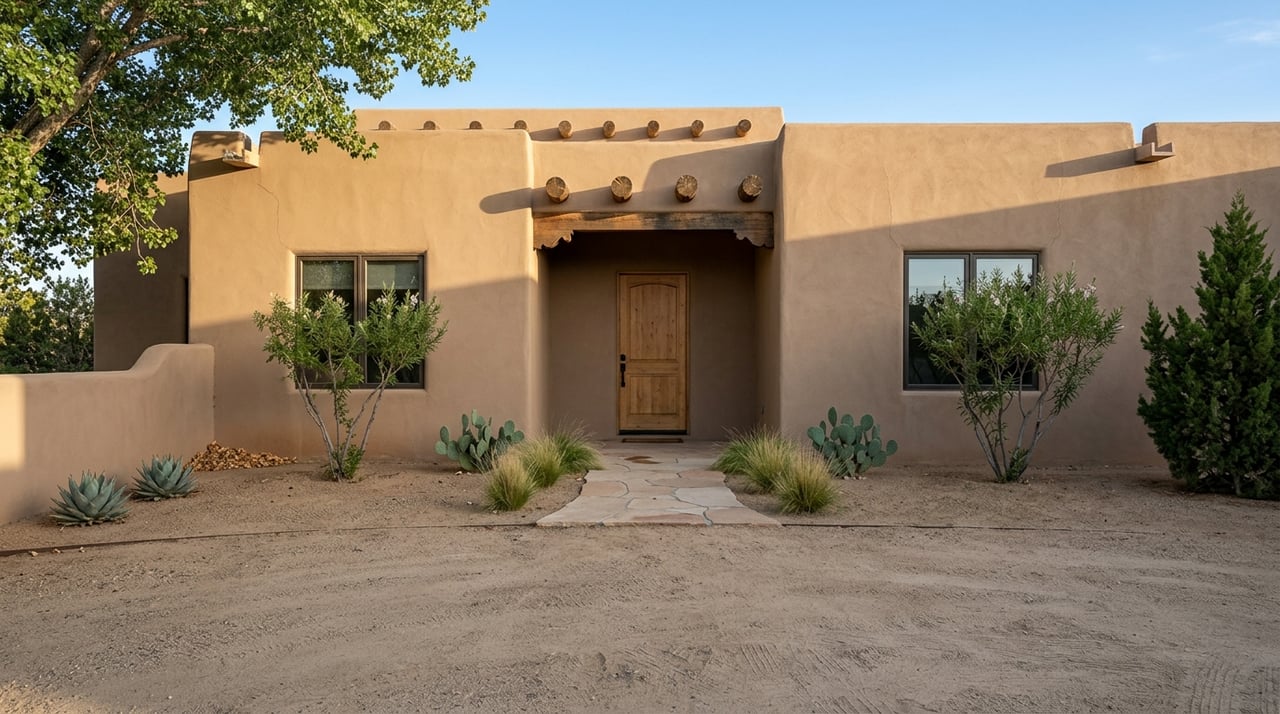
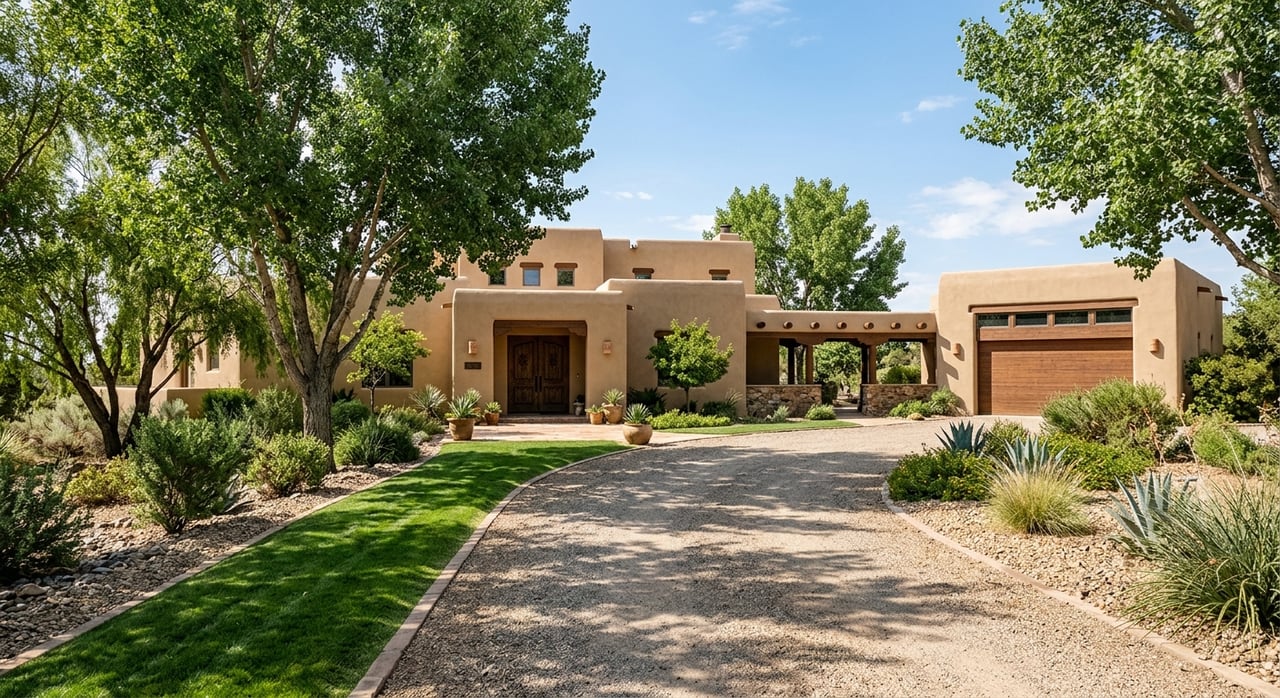
Sandia Heights is more tightly governed than many neighborhoods in the Albuquerque area. The HOA guide states that exterior changes such as additions, landscaping, re-roofing, solar panels, and similar projects require Architectural Control Committee approval.
The purpose is to keep materials and colors in harmony with the surroundings. If you value a neighborhood where design standards are taken seriously, that may feel like a plus.
If you prefer complete freedom to change your exterior without review, it may feel more restrictive. Either way, it is important to know this upfront before you buy.
Large Lots Help Define the Experience
A key part of the neighborhood’s original vision was larger individual lots. That feature still helps shape how Sandia Heights feels compared with more compact parts of the metro area.
For many homebuyers, larger lots can mean more privacy, more separation between homes, and more room to enjoy the natural setting. It also supports the area’s overall foothills character, which is one of the main reasons people choose this location in the first place.
Sandia Heights Offers More Than One Housing Type
While many buyers associate Sandia Heights with detached homes, the current market includes more than one option. Listing snapshots support describing the area as a mix of single-family homes and townhomes.
That gives buyers some flexibility. Depending on your budget, maintenance preferences, and lifestyle goals, you may find either a detached property or an attached option that fits your needs.
Services Work Differently Here
One of the most unique practical features of Sandia Heights is its service setup. The HOA guide says Sandia Heights Services provides consolidated billing for water, sewer, refuse, and security-related services.
Some properties still use septic systems, and private patrol service is available by subscription. For a buyer, this means you should not assume services will work exactly the same way they do in a typical city neighborhood.
This is one of those details that can affect your budget and expectations. It is smart to review the specific service structure for any property you are considering.
The Area Is More Car-Oriented
Sandia Heights offers a very different feel from more central parts of Albuquerque, and that includes how you get around. Access into the foothills area runs through Tramway from Interstate 40, and Bernalillo County Public Works maintains roads and handles snow-removal issues outside Albuquerque city limits.
Because of the mountain-edge road network and county or private service structure, daily life here tends to be more car-oriented than in many central neighborhoods. For some buyers, that is an easy trade for space, views, and outdoor access.
The key is to weigh lifestyle fit. If your priority is quick walkability to a dense mix of shops and services, you may want to compare carefully with other parts of the Albuquerque area.
What Homebuyers Should Think About First
If Sandia Heights is on your list, it helps to look beyond the views and ask a few practical questions. This neighborhood often works best for buyers who want a strong sense of place and are comfortable with a more structured community setup.
Here are a few smart things to evaluate:
- Review HOA and covenant requirements before you make an offer
- Ask about utility and service arrangements for the specific property
- Confirm whether the home is on sewer or septic
- Understand exterior approval rules if you plan future updates
- Visit nearby public trailheads to see how outdoor access fits your routine
- Drive the route at different times of day to get a feel for commute patterns
These steps can help you decide whether the lifestyle matches what you want, not just what looks good online.
Why Sandia Heights Appeals to Many Buyers
At its core, Sandia Heights offers a blend that is hard to duplicate. You get a foothills setting, preserved views, larger lots, access to nearby recreation, and a community framework designed to protect the area’s overall character.
That combination is what makes it stand out. It is not simply about buying a house near the mountains. It is about choosing a neighborhood where the landscape, rules, and day-to-day rhythm are closely tied together.
If you are considering Sandia Heights, the best next step is to compare properties with both the lifestyle and the practical details in mind. If you want clear guidance on how Sandia Heights fits into your Albuquerque-area home search, Alfred Unser can help you evaluate the options and move forward with confidence.
FAQs
What makes Sandia Heights unique compared with other Albuquerque-area neighborhoods?
- Sandia Heights stands out for its foothills location, large lots, preserved view corridors, deeded covenants, nearby trail access, and service structure in unincorporated Bernalillo County.
Is Sandia Heights inside the City of Albuquerque?
- No. Sandia Heights uses Albuquerque mailing addresses, but it is located in unincorporated Bernalillo County and falls under county fire and sheriff jurisdiction.
What types of homes can buyers find in Sandia Heights?
- Buyers can find a mix of housing options, including single-family homes and townhomes.
Do Sandia Heights homes have HOA rules for exterior changes?
- Yes. The HOA guide states that many exterior changes, including additions, landscaping, re-roofing, and solar panels, require Architectural Control Committee approval.
How do buyers access trails near Sandia Heights?
- Buyers and residents access nearby parks and forest areas through public trailheads, not through private property.
Are utilities and services in Sandia Heights different from city neighborhoods?
- Yes. Sandia Heights Services provides consolidated billing for several services, some homes still use septic systems, and private patrol service is available by subscription.