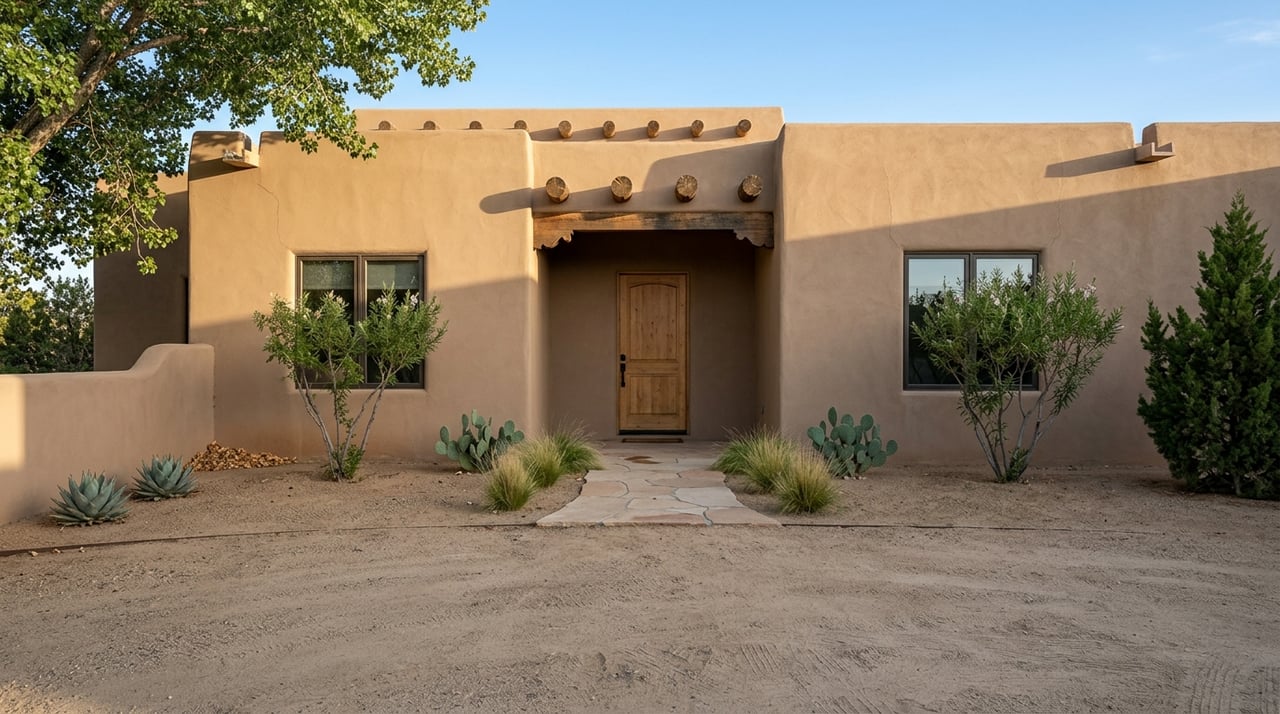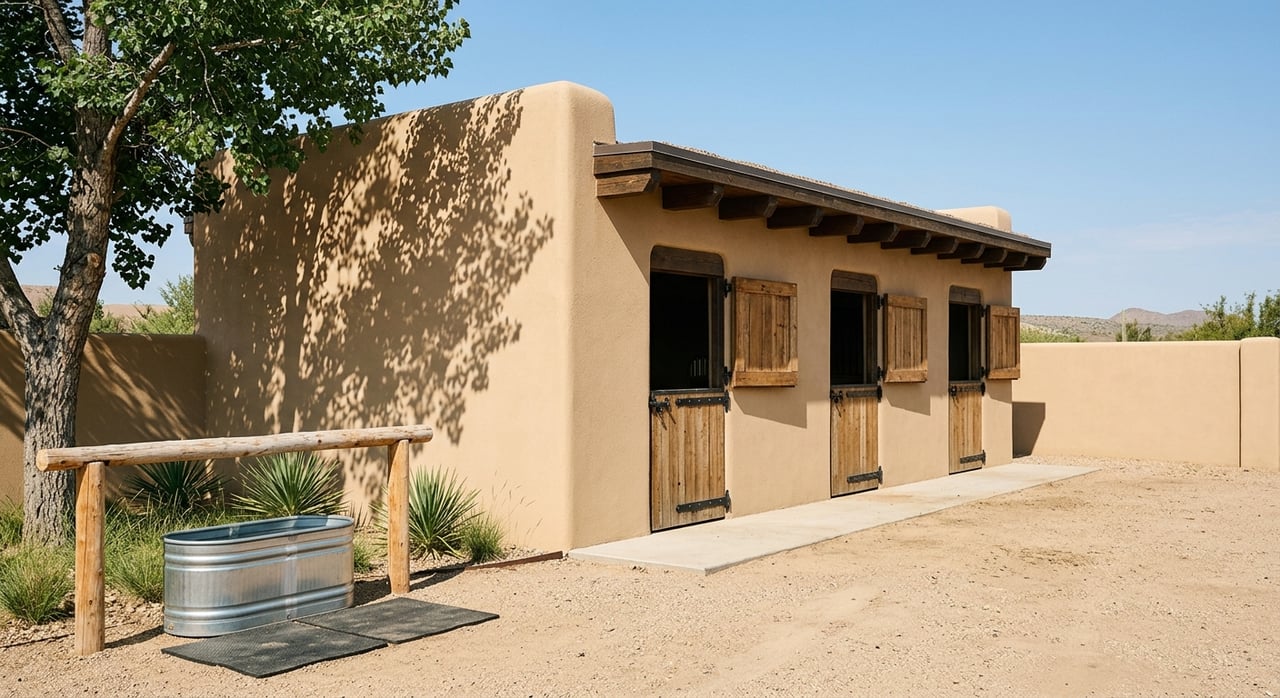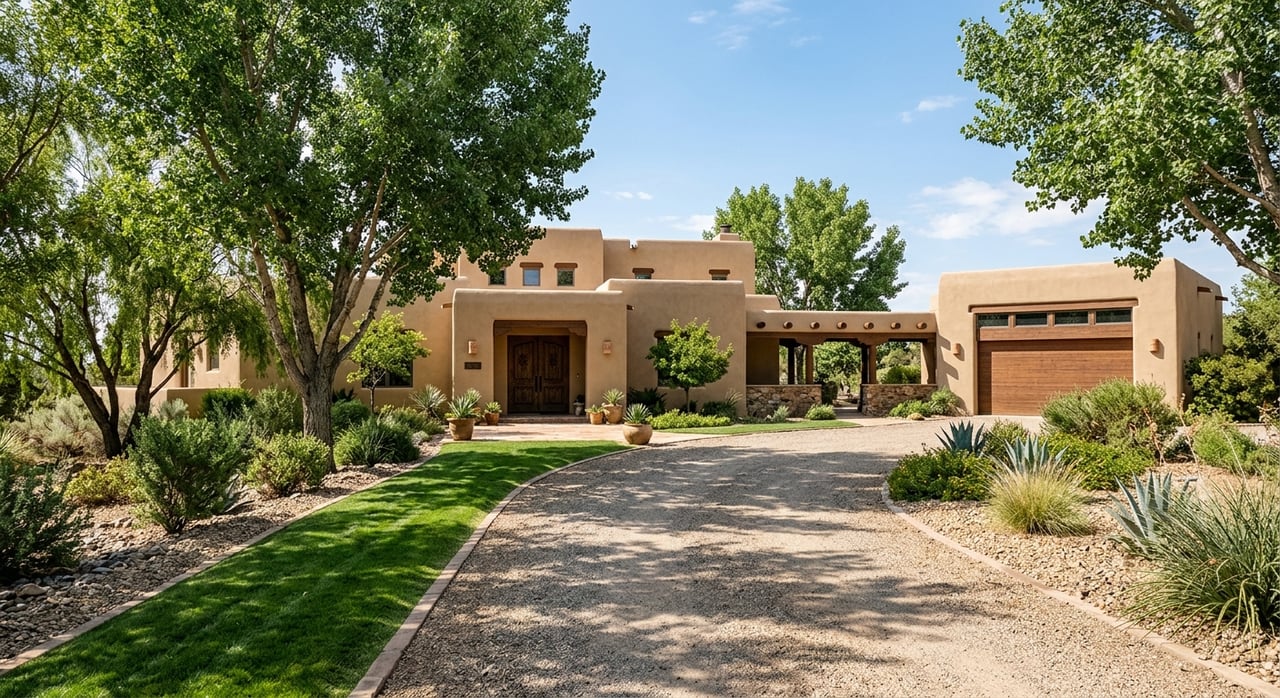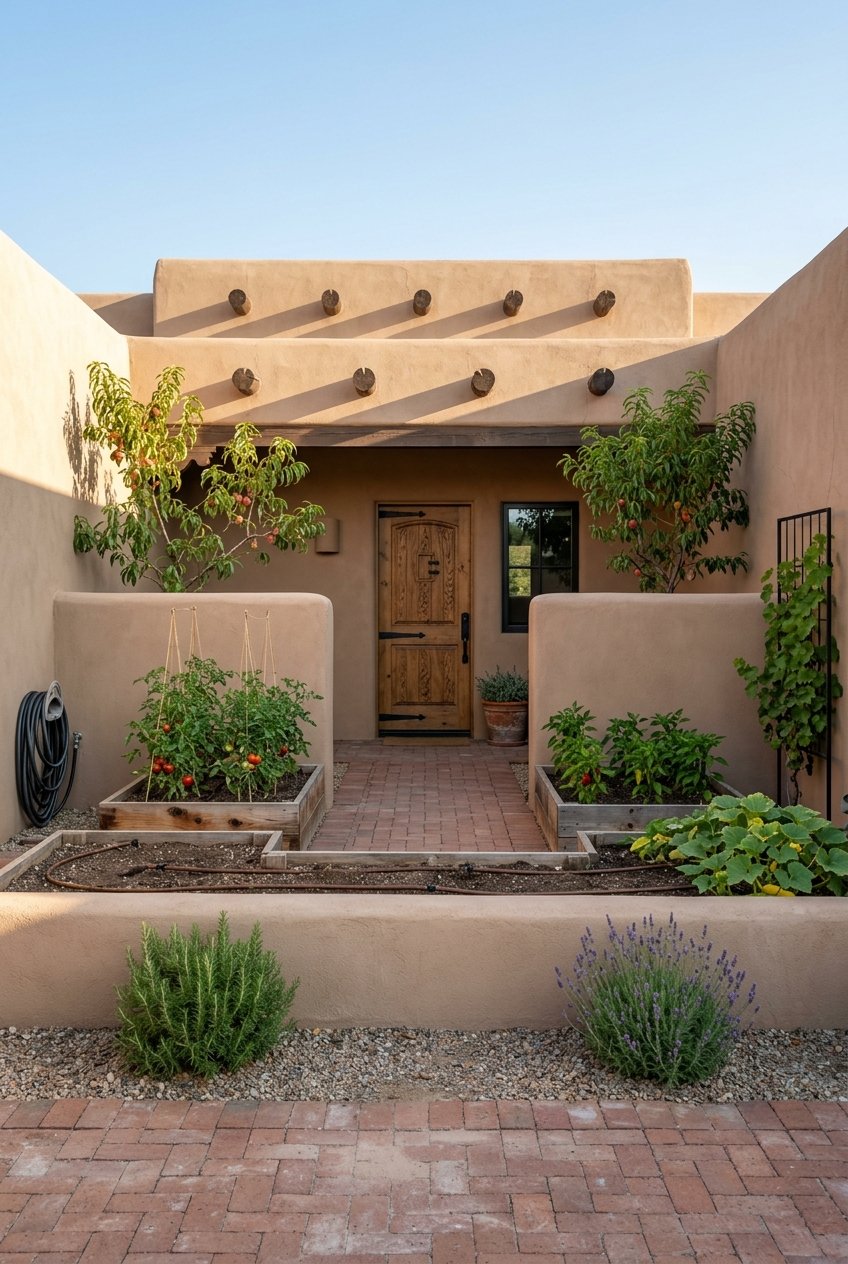
Looking for a place where fresh produce, backyard gardens, and rural character are part of daily life, not just a weekend trend? If you are drawn to the idea of living closer to the land while staying connected to Albuquerque, Los Ranchos de Albuquerque offers a rare mix of history, agriculture, and practical homeownership opportunities. Here, you can get a clearer picture of what farm-to-table living really looks like, what property features matter most, and how to think about buying in this unique village. Let’s dive in.
What Farm-to-Table Living Means Here
In Los Ranchos de Albuquerque, farm-to-table living is tied to the village’s roots. The community was built around irrigation, agricultural land use, and small-scale farming, and that identity still shapes the area today. The village was incorporated in 1958 in part to help preserve its rural-agricultural character.
One of the clearest signs of that history is the long, narrow lot pattern known as lineas or tripas. These lots were designed to preserve access to both irrigation and a roadway. That pattern still influences how land is laid out across parts of the village.
This matters if you want more than just a home with a nice yard. In Los Ranchos, the layout of the land, the presence of irrigation, and the community’s long-standing connection to agriculture can all support a more hands-on lifestyle.
Agriculture Is Still Part of Daily Life
Los Ranchos is not a place where farming exists only in old photos or local stories. The village continues to prioritize agriculture through public spaces, educational programs, and visible food-growing projects. That makes the lifestyle feel active and accessible.
A major example is the Larry P. Abraham Agri-Nature Center, which spans more than 40 acres. The center focuses on regenerative agriculture and supports education, research, and economic development. It also offers farm camps, workshops, gardening resources, and a community garden with 30 plots.
The village’s Edible Trail makes this agricultural focus easy to see on the ground. Stops include an orchard, lavender, cover crops, honeybees, compost, raised beds, a vineyard, hops, livestock, heritage grains, and acequias. For buyers, that signals a community where food production is visible, valued, and part of the local rhythm.
Local Food Sources Add Convenience
Farm-to-table living is easier when local food options are close by. In Los Ranchos, you are not limited to growing everything yourself. The village also has gathering places and food sources that support this lifestyle in a practical way.
The Los Ranchos Growers’ Market is one of the clearest examples. The village lists it as a seasonal Saturday market and notes that it encourages backyard growers and students to sell extra produce. If you enjoy gardening at home, that adds another layer to the lifestyle because the market supports both shoppers and small growers.
Los Poblanos is another important local food anchor in the village. Its 25-acre organic farm helps shape its culinary program and artisan products, and the operation also works with local farmers and producers. Its butchery program is sourced from local, family-run farms.
Together, these local resources help make fresh, locally connected food part of everyday life. You can picture a routine that includes tending a garden, visiting the market, and enjoying food shaped by the surrounding landscape.
Why Backyard Growing Works in Los Ranchos
If you are thinking about growing your own food, Los Ranchos offers real potential, but it also requires realistic planning. This is a high-desert environment, so successful gardening depends on understanding water, soil, and seasonal shifts.
NOAA climate normals for Albuquerque International Airport show average annual precipitation of 8.84 inches. That low rainfall is a reminder that irrigation and water management are central to gardening in this area. You will want to think about efficient watering, mulch, and the way your lot is set up.
New Mexico State University’s home gardening guidance fits this setting well. NMSU notes that successful vegetable gardening in New Mexico depends on climate, soil preparation, and proper watering. It also says organic mulches can help reduce evaporation and even out soil moisture.
For some homeowners, season extension may also be appealing. NMSU says hoop houses can help extend the growing season and protect crops from wind and temperature swings. In a place like Los Ranchos, that can be a practical tool if you want a more productive backyard setup.
Public Support Makes a Difference
One thing that sets Los Ranchos apart is that local gardening is supported by more than private effort. The village’s Agri-Nature Center offers resources for gardeners, maintains a community garden, and trials climate-adapted seeds and landrace chiles. It also uses drip irrigation and the acequia network.
That support matters, especially if you are newer to gardening or moving from a denser neighborhood where food growing was less practical. Instead of figuring everything out alone, you are stepping into a place where agriculture is already part of the local framework. That can make the learning curve feel more manageable.
The village also states that its agriculture program supports small-scale sustainable agriculture, agritourism, and coordination between landowners and farmers. Its community farm model also includes donating extra food to local food banks. That reflects a local culture that treats food growing as both practical and community-minded.
Property Features to Look For
Not every property in Los Ranchos will support the same kind of farm-to-table lifestyle. If this way of living is important to you, it helps to focus on features that can affect how usable the land really is.
Start with usable outdoor space. A beautiful lot is not always the same as a functional one, so think about whether there is room for raised beds, a kitchen garden, or even a small orchard if the parcel allows. The village’s zoning maps show that A-1 acreage includes lots ranging from under half an acre to over one acre, which suggests a range of possible setups.
You should also pay attention to irrigation access and acequia proximity where relevant. Because the area’s history and land patterns are tied to irrigation, this can be an important piece of the puzzle for anyone planning serious outdoor growing. Parcel-specific verification is key.
Another factor is the overall layout of the lot. The historic linea or tripa pattern still shapes some parcels today, and that may influence how the yard functions for gardening, storage, access, or future improvements. A lot that looks generous on paper may use space differently than a more typical suburban lot.
Why Due Diligence Matters
Los Ranchos offers a special lifestyle, but it is important to verify details before you buy. The village states that its code is a living document, and the Planning and Zoning Commission uses both the Master Plan and zoning ordinance to review applications. That means property use questions should be checked carefully rather than assumed.
If irrigation is part of your plan, the village directs residents to the Middle Rio Grande Conservancy District for irrigation water questions. The district operates and maintains irrigation, drainage, and flood-control systems throughout the Middle Rio Grande Valley for irrigators. That makes it an important source for parcel-level irrigation questions.
This is where working with a calm, detail-oriented real estate guide can help. When you are buying for lifestyle as much as square footage, the right questions matter just as much as the right price.
Who This Lifestyle Fits Best
Farm-to-table living in Los Ranchos can appeal to different kinds of buyers. You might be a first-time buyer who wants more yard space and a stronger connection to local food. You might be relocating and looking for a property that feels more grounded and distinctive than a standard suburban option.
It can also be a strong fit if you value daily routines that revolve around outdoor living, seasonal harvests, and local markets. The appeal is not just the chance to plant a garden. It is the chance to live in a place where that choice feels natural and supported.
For some buyers, that means a few raised beds and herbs near the kitchen. For others, it may mean searching for land that can support a larger garden or orchard where zoning and parcel conditions permit. Either way, Los Ranchos stands out because the village’s identity still makes room for that vision.
A Rare Lifestyle Close to Albuquerque
What makes Los Ranchos especially compelling is the combination of access and character. You can enjoy a setting known for green pastures, orchards, farmers markets, and rural heritage while staying close to the larger Albuquerque area. That balance is hard to find.
The broader North Valley and Los Ranchos area is described as one of Albuquerque’s most agricultural neighborhoods. Weekly markets with seasonal produce, baked goods, preserves, and crafts reinforce that identity. For buyers who want a home that supports both convenience and a more land-connected lifestyle, that blend can be a major draw.
If you are exploring homes in Los Ranchos de Albuquerque, it helps to look beyond finishes and square footage. The best fit may come down to land use, irrigation access, garden potential, and how well a property supports the way you want to live.
If you want help finding a home that fits your goals in Los Ranchos de Albuquerque, Alfred Unser can help you sort through the details, evaluate property potential, and move forward with clarity.
FAQs
What makes Los Ranchos de Albuquerque good for farm-to-table living?
- Los Ranchos has deep agricultural roots, visible local food infrastructure, irrigation-based land patterns, a growers market, and public agricultural programming that supports small-scale growing.
What property features should buyers look for in Los Ranchos de Albuquerque?
- Buyers should focus on usable outdoor space, lot layout, potential room for garden beds or orchards, and parcel-specific irrigation or acequia considerations where relevant.
Can you grow a backyard garden in Los Ranchos de Albuquerque?
- Yes, but success depends on planning for the high-desert climate, especially watering, soil preparation, mulch, and seasonal protection such as hoop houses.
Is irrigation important for homes in Los Ranchos de Albuquerque?
- Yes, irrigation can be an important factor because the village’s history and agricultural use are closely tied to water access and acequia systems.
Are there local places to buy fresh food in Los Ranchos de Albuquerque?
- Yes, the Los Ranchos Growers’ Market and Los Poblanos are two well-known local food anchors that support the village’s farm-to-table culture.