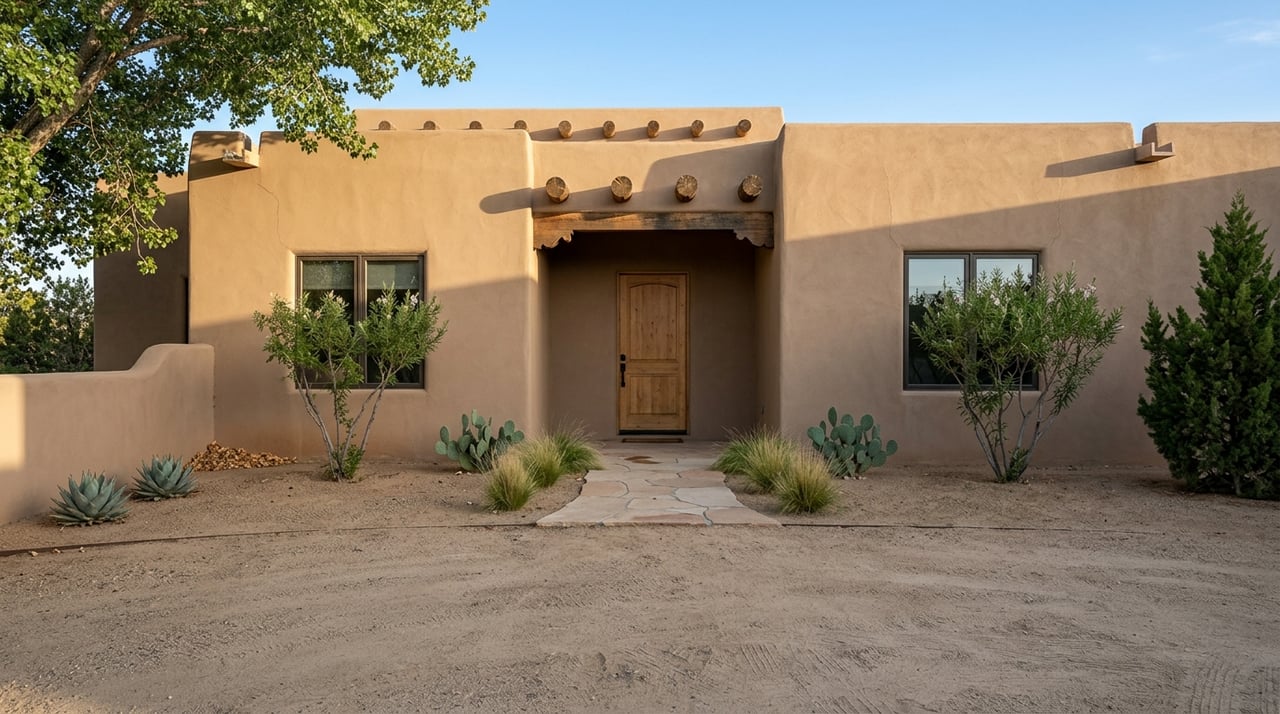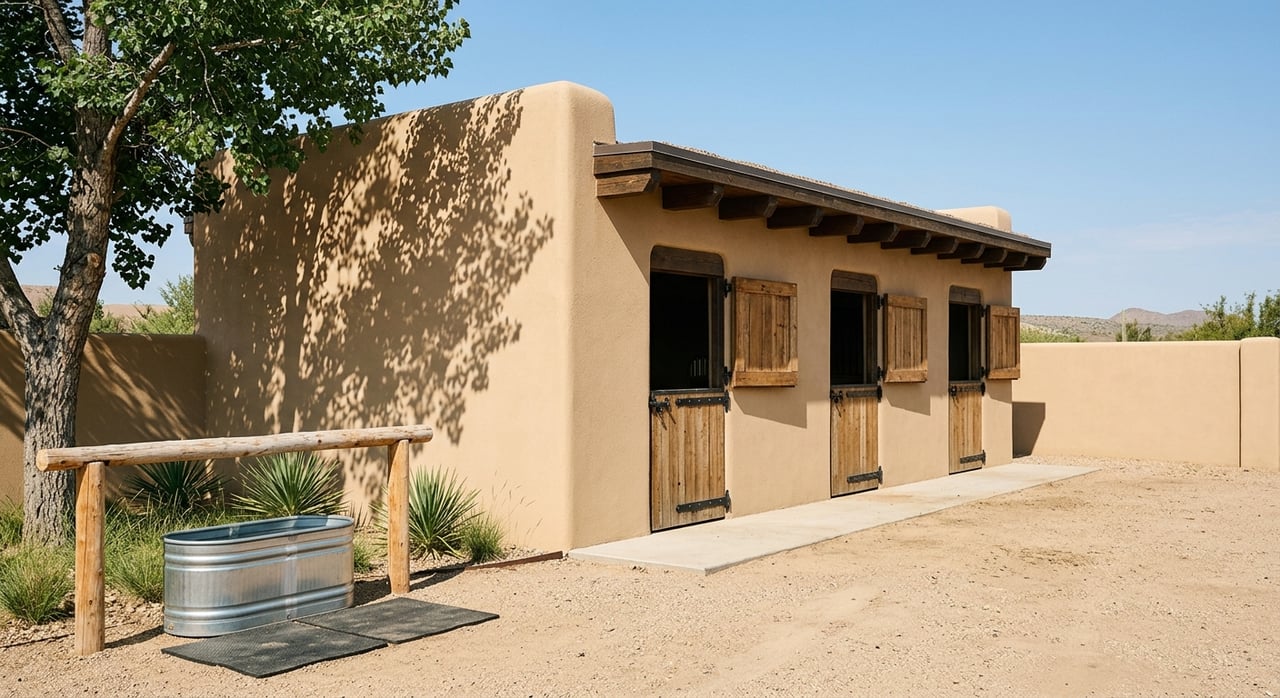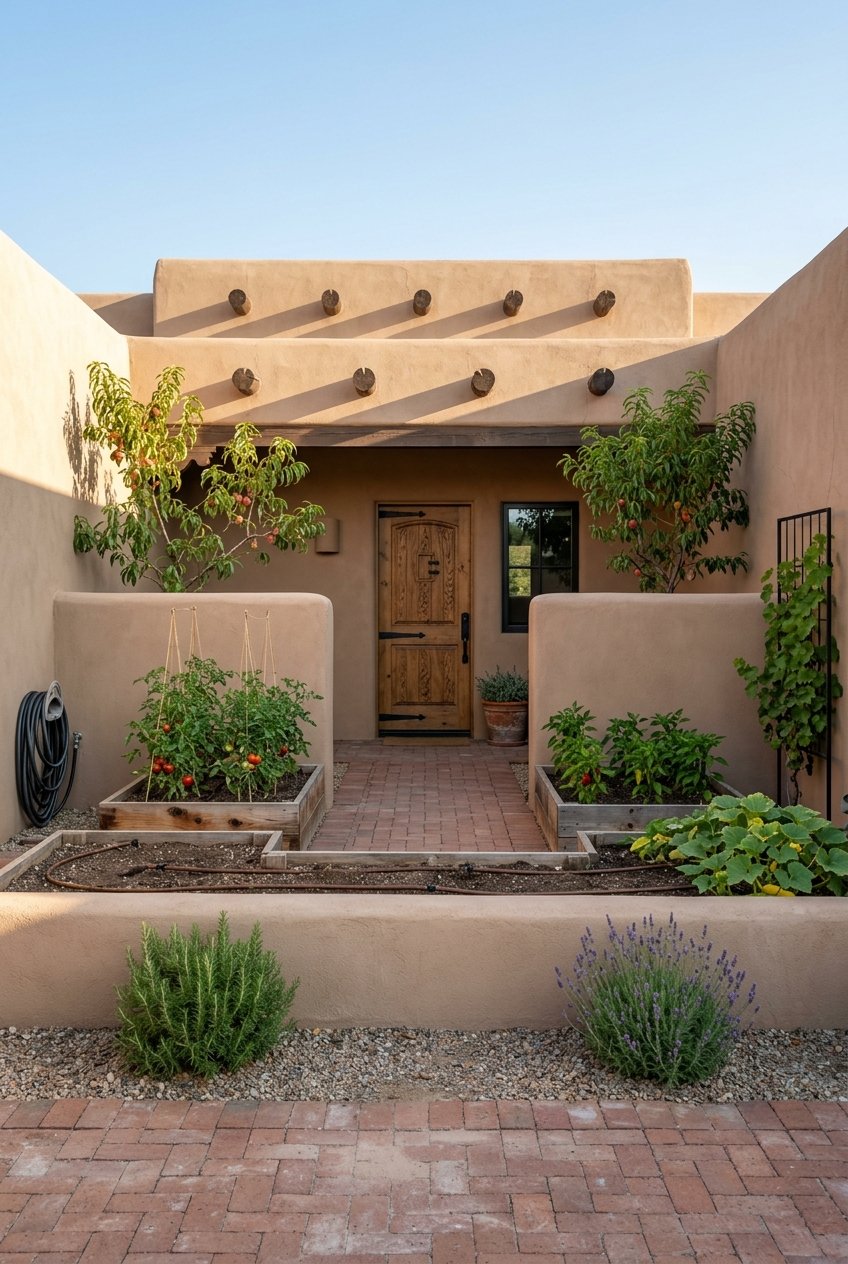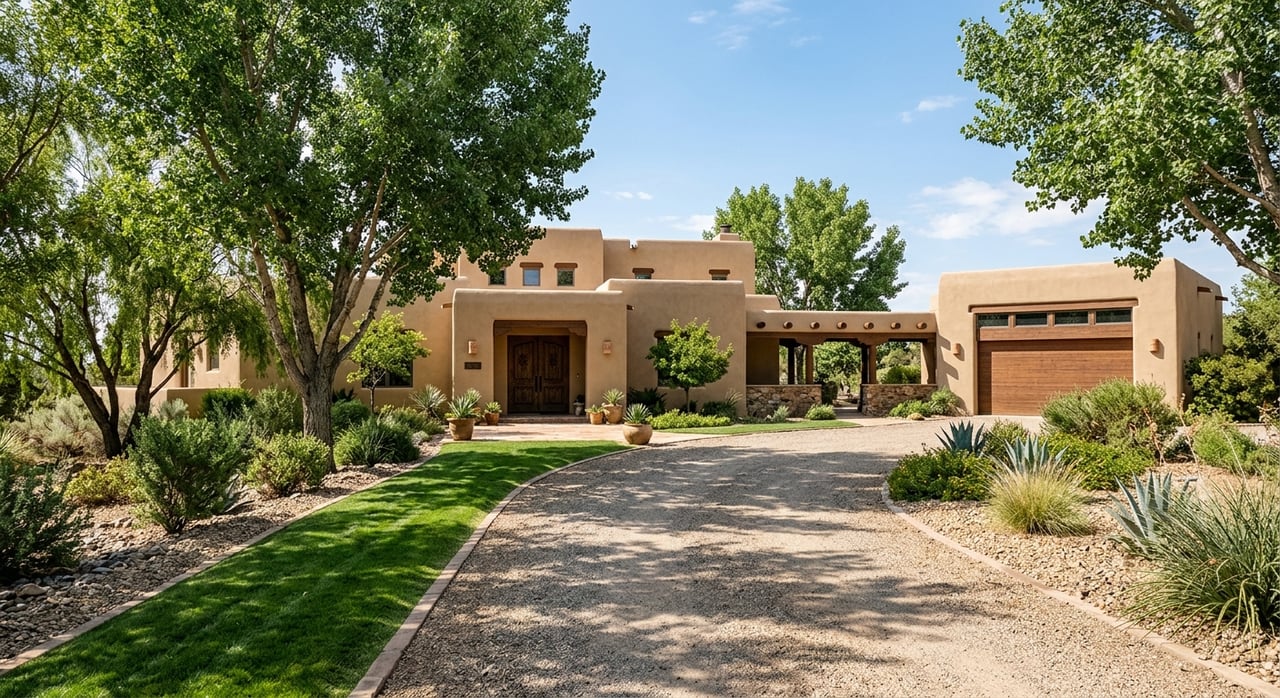
If you are shopping for a home on land in Los Ranchos, it helps to know that this is not always a simple house-and-yard purchase. In many cases, you are also evaluating zoning, easements, irrigation access, wastewater history, and drainage factors that can shape how you use the property over time. The good news is that with the right questions upfront, you can avoid surprises and buy with more confidence. Let’s dive in.
Why Los Ranchos feels different
Los Ranchos de Albuquerque has deep agricultural roots, and that history still shows up in how land is laid out today. The village explains that many parcels were historically divided as long, narrow linea or tripa lots so owners could keep access to both irrigation and a roadway.
That matters because lot shape, ditch access, and easements may be more important here than they would be in a typical subdivision. A property can look straightforward at first glance, but the real story is often in the parcel layout and how the land functions.
The village is also not a one-size-fits-all lot market. According to the 2035 Master Plan appendix, most lots and most acreage are zoned residential, A-1 is the dominant zone, and many A-1 lots are under 1 acre. So even if you are focused on homes "on land," you may be comparing very different property types within the same village.
Start with zoning
In Los Ranchos, zoning is one of the first things you should verify. The village Planning & Zoning Commission reviews platting, zoning, and related matters using the master plan and zoning ordinance, and the village notes that its online code can lag behind newly adopted ordinances.
That means you should not rely on a general impression of the property. Instead, confirm the exact zoning for the parcel and whether there are any recent or pending changes that could affect how the land is used.
What A-1 zoning means
For many buyers, A-1 Agricultural/Residential zoning is the key category to understand. The village ordinance states that A-1 allows one residential unit per acre and permits agricultural activities such as growing and storing crops, keeping and raising livestock, and displaying and selling agricultural products.
At the same time, A-1 does not automatically mean a large, open acreage parcel. The village master plan appendix says many A-1 lots are under 1 acre, so you should confirm the actual lot size instead of assuming the zoning tells the whole story.
If a planned agricultural use requires a state license that requires proof of water availability, the village also requires that evidence. So if you are thinking beyond standard residential use, water documentation can become part of the zoning conversation.
Smaller residential zones matter too
Not every land-oriented property in Los Ranchos falls under A-1. Village code materials identify R-2 as one residential unit per one-half acre, and a 2024 planning report identifies R-3 as one residential unit per one-third acre.
This is important if you are comparing homes with extra outdoor space but different long-term options. Two properties may both feel spacious, yet the zoning rules behind them may create very different limits on future additions or use.
Future use may be more restricted
If you hope to add flexibility later, such as a guest-oriented use or a business-related use, ask specific questions early. The village’s bed-and-breakfast rules show how detailed these regulations can be.
The code says B&Bs are allowable in all zones with an approved permit and annual business license, but the property must have access to city water and sewer or obtain a wastewater permit from NMED. The operator must live on site, guest parking must be off-street, and guest-room limits and other conditions apply.
The takeaway is simple: do not assume future use is allowed just because the parcel is large or the home seems suited for it. In Los Ranchos, land use often comes down to the exact ordinance language and property setup.
Check access and easements carefully
Because of the village’s historic parcel patterns, legal access and recorded easements deserve close attention. A long, narrow parcel may work well, but you want to confirm exactly where the boundaries are and whether access is fully documented.
This matters even more because the village master plan appendix notes that lot and acreage figures are approximate and some lots are dually zoned. In practical terms, that means your due diligence should go beyond listing information and include a careful review of parcel-specific records.
If the property includes or borders an irrigation ditch, drain, or similar feature, ask how that affects access, maintenance, and usable space. What looks like open land on paper may include real limitations once setbacks and easements are considered.
Understand water and irrigation
Water is one of the biggest areas where Los Ranchos buyers need clarity. The village says potable water is provided by the Albuquerque Bernalillo County Water Utility Authority, while irrigation water is handled through the Middle Rio Grande Conservancy District and local ditch riders.
In other words, household water service and irrigation access are not the same thing. A home can have normal domestic water service, but that does not automatically answer whether irrigation is available or documented.
Irrigation rights are not automatic
The Middle Rio Grande Conservancy District notes that irrigators are the original users of the district’s ditches, canals, and acequias. The village master plan appendix also says ownership in the ditch irrigation system is complex.
So if you are buying a property where irrigation matters to you, verify recorded easements, ditch agreements, and maintenance responsibilities. Do not assume that a visible ditch means easy or documented irrigation use.
Wells and water rights need proof
If a parcel has a private well or a possible water-right issue, the New Mexico Office of the State Engineer is the key source to review. The agency states that anyone wanting to use water in New Mexico must have a permit from the State Engineer.
Its water-rights materials also note that a water-right file number may appear on a well permit or related correspondence. For a buyer, that makes well and water-right documentation a must-have item, not a nice-to-have item.
Review septic and sewer records
Wastewater is another area where buyers should slow down and verify details. If the property uses an on-site liquid waste system, NMED rules require a permit before installing or modifying that system.
The application process can require a detailed site plan showing wells, canals, irrigation or drainage channels, and structures. That tells you how closely wastewater review can tie into the physical layout of the parcel.
There is another important wrinkle in Bernalillo County. NMED’s permit finder says its Bernalillo County records are incomplete and directs people to the Bernalillo County Health Department for more complete information.
So if you are checking septic history in Los Ranchos, do not rely on one database alone. Make sure the property’s records are confirmed through the local source identified for Bernalillo County.
Look at drainage and flood factors
Drainage and flood review should be part of your standard checklist in Los Ranchos. The village history notes that the North Valley dealt with recurrent flooding and poor drainage, which led to major drainage and flood-control improvements and the creation of MRGCD.
That local history still matters today because it explains why drainage channels, ditches, and floodplain considerations are part of normal due diligence here. These are not rare issues that only affect unusual properties.
Village staff materials also identify the planning director as the village’s FEMA-certified floodplain manager, and the village is included in the 2022 Albuquerque/Bernalillo County Hazard Mitigation Plan. If a property is near a ditch, drain, or low-lying area, ask how that affects review, setbacks, and the buildable area.
Setbacks can reduce usable land
For some properties, the biggest surprise is not the lot size but the building envelope. In 2025 village planning materials, properties bounded by an irrigation ditch or drain had a 25-foot setback along that feature.
That setback can materially reduce where you can build, expand, or place accessory improvements. If you are buying for space and flexibility, this is one of the most important details to pin down before you move forward.
A practical buyer checklist
When you evaluate a home on land in Los Ranchos, focus on the parcel as much as the house. A strong checklist can help you stay organized and avoid expensive assumptions.
Here are the main items to confirm:
- Exact zoning for the parcel, along with any recent ordinance updates, character-area issues, or pending hearings
- Parcel boundaries, legal access, and recorded easements
- Whether the property has ABCWUA water, MRGCD irrigation access, a private well, sewer, septic, or some combination of those services
- Permit and record history for any well, septic, or wastewater system
- Whether ditches, drains, setbacks, or flood-related review limit the usable building envelope
- Whether any future use you care about would require added permits, parking standards, residency requirements, or wastewater approval
Why local guidance matters
A Los Ranchos purchase often involves more moving parts than a standard subdivision transaction. That does not mean it is risky by default. It just means the right due diligence matters more.
When you have a calm, organized approach, you can sort through zoning, utilities, parcel layout, and land-use questions before they become closing-table surprises. That is especially helpful if you are relocating, buying your first property with land, or comparing several homes with very different setups.
If you are considering a home on land in Los Ranchos and want a clear plan for what to verify, Alfred Unser can help you evaluate the property details, ask the right questions, and move forward with confidence.
FAQs
What makes buying land in Los Ranchos different from buying in a subdivision?
- In Los Ranchos, buyers often need to evaluate zoning, easements, irrigation access, wastewater history, and drainage or flood constraints in addition to the home itself.
What should buyers know about A-1 zoning in Los Ranchos?
- A-1 is an Agricultural/Residential zone that allows one residential unit per acre and certain agricultural activities, but many A-1 lots in Los Ranchos are under 1 acre, so lot size still needs to be verified separately.
Why do irrigation rights matter for Los Ranchos properties?
- Potable water service and irrigation access are separate issues in Los Ranchos, so you should confirm whether irrigation use is actually documented through easements, agreements, or other records.
What should buyers verify about septic systems in Los Ranchos?
- Buyers should verify whether the property uses septic or sewer, confirm permit and modification records, and check Bernalillo County sources because statewide records for Bernalillo County may be incomplete.
How can ditches and drains affect a Los Ranchos property?
- Ditches and drains can affect setbacks, access, maintenance, flood review, and the property’s usable building envelope, so they should be reviewed early in the process.